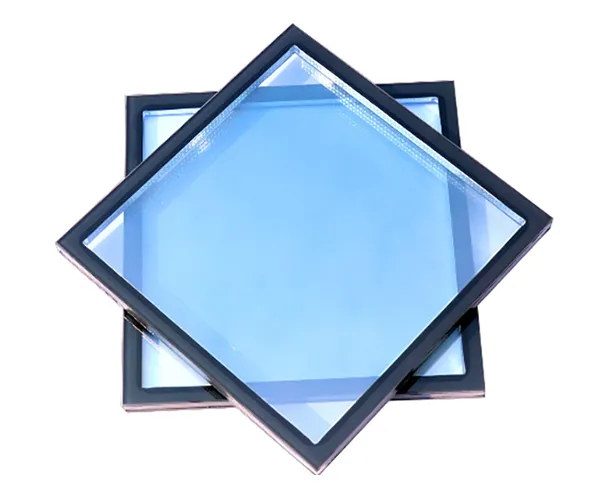
Energy-saving glass has become increasingly important in both architectural and automotive applications. In architecture, Low-E glass plays a central role in reducing energy consumption as demand for building efficiency and carbon reduction grows. In vehicles, energy-saving glazing reduces the amount of heat entering the cabin, lowers air-conditioning demand, and improves passenger comfort. At the same time, glass manufacturing is becoming more demanding: larger substrate sizes and more complex double- and triple-silver layer stacks require tighter control over coating uniformity, process stability, and production efficiency across the entire glass surface.
Ordinary glass has limited ability to control solar and thermal radiation: infrared radiation can pass through it into a building, and indoor heat can escape when outdoor temperatures drop. Low-E glass overcomes this limitation through multiple thin metal and dielectric layers deposited onto the glass surface. The coating allows visible light to pass through while reflecting most infrared radiation, reducing solar heat gain in summer and heat loss in winter. Producing these functional layers on large glass surfaces requires precise control of film thickness and uniformity. Vacuum magnetron sputtering is widely used for large-area solar-control and Low-E glass because it enables precise deposition of the complex multilayer coatings required for industrial production.
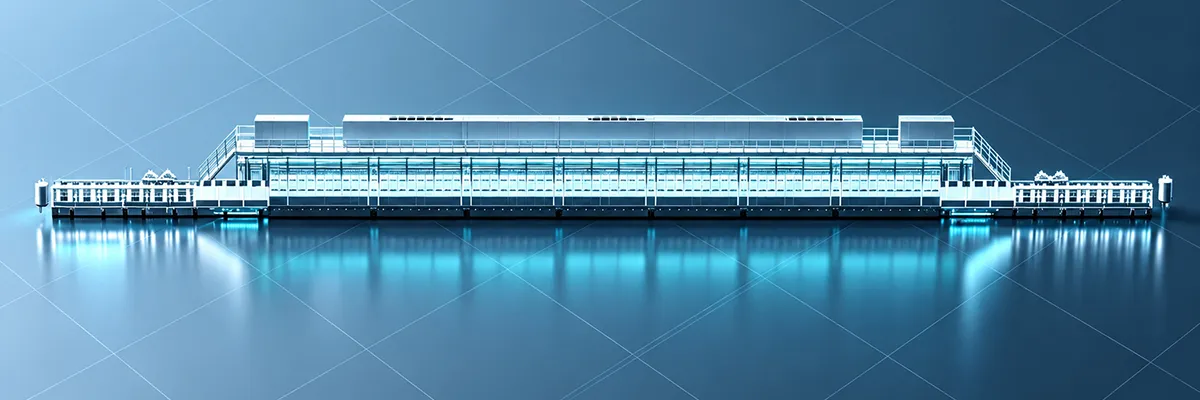
- The large-area coating process is capable of handling glass substrates up to 4 metres wide and 32 metres long, with dimensions adjustable according to specific project requirements. This ensures that the coating requirements for large architectural glass used in curtain walls, windows, and doors can be met.
- With a mechanical cycle time as fast as 20 seconds and an annual capacity of more than 20 million m², the line enables continuous production of large-format glass in the quantities required for large orders.
- Film quality consistency is ensured by line design, manufacturing control, and quality management. Single-layer uniformity reaches ≤1.6%, while online cathode adjustment further maintains coating uniformity — especially on large substrates, where variations directly impact the visual consistency of architectural facades
- Temperable Low-E Coatings: The layer stacks are engineered so that single-, double-, and triple-silver temperable Low-E glass maintains the required performance after tempering.
- Reliable vacuum and transport systems ensure stable, continuous operation. Selected key components and intelligent controls minimize errors and unexpected interruptions during long production runs.
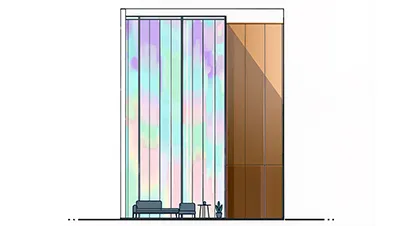
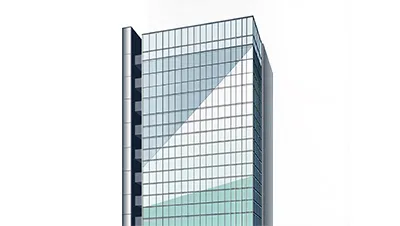
- Energy-saving Architectural Glass
Low-E and solar-control coatings for curtain walls, windows, and doors reduce building energy demand and improve indoor thermal comfort. They are suitable for both new construction and energy-saving upgrades to existing buildings. - Energy-Saving Automotive Glass
Low-E and solar-control coatings on windshields and sunroofs reduce solar heat gain, lower air-conditioning demand, and enhance cabin comfort.